
US and Russia Nuclear Agreement Officially Ends, What It Means?
- account_circle Friska Putri Aryananta
- calendar_month 05 Februari 2026, 19:00 WIB
- visibility 53
- comment 0 komentar
- print Cetak

info Atur ukuran teks artikel ini untuk mendapatkan pengalaman membaca terbaik.
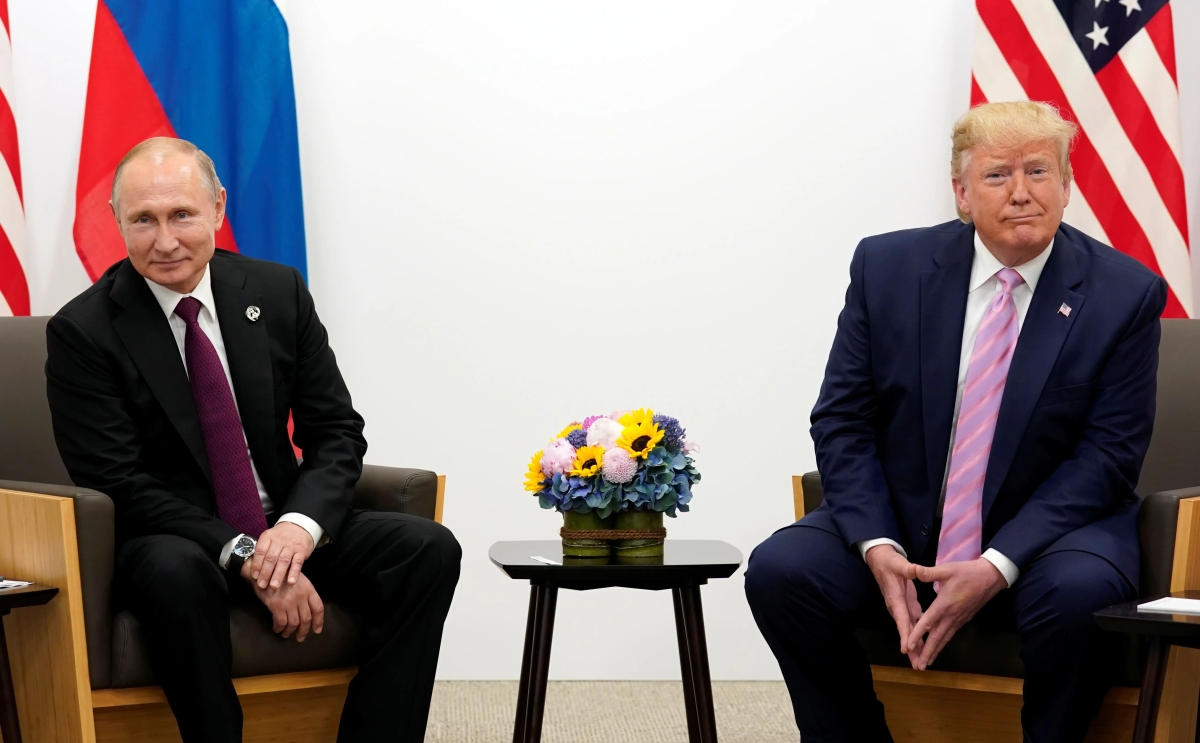
Hasanah.id – The long-standing nuclear arms control pact between the US and Russia has officially ended, marking a major shift in international security and nuclear diplomacy. The New Strategic Arms Reduction Treaty (New START) the last bilateral agreement that limited strategic nuclear weapons for both nations expired on February 5, 2026, leaving the world without binding nuclear limits between the two largest nuclear powers.
What Was the New START Treaty?
The New START treaty was signed in 2010 by US President Barack Obama and Russian President Dmitry Medvedev. It set restrictions on deployed strategic nuclear warheads and delivery systems for both the US and Russia, including long-range missiles, heavy bombers, and submarine-launched missiles. The treaty limited each side to a maximum of 1,550 deployed nuclear warheads and 700 delivery systems, and included detailed verification measures such as inspections and data exchanges.
Initially set to expire in 2021, the treaty was extended by mutual agreement for five more years, pushing its termination to 2026. However, ongoing geopolitical tensions and stalled negotiations ultimately led to its formal end in early February.
Why the Treaty Ended?
Despite its extension, both sides encountered growing disagreements over inspections and mutual compliance. Russia suspended parts of the treaty in 2023, particularly those involving on-site inspections, in response to broader tensions with the West. Attempts at further extension or replacement agreements faltered amid shifting strategic priorities, including US proposals to include China in future arms control frameworks.
On the eve of the treaty’s termination, Russian President Vladimir Putin pledged that Russia would act “responsibly” even without the treaty’s constraints, emphasizing a measured approach to strategic security.
Global Implications of the Treaty’s Expiration
The end of the New START pact means the US and Russia are no longer legally bound by caps on the size of their strategic nuclear arsenals. Experts and world leaders have expressed deep concern about this development:
1. Increased Nuclear Risk
Without formal limits and verification, both nations could potentially expand their nuclear forces, increasing the risk of miscalculations or an arms race.
2. Security Uncertainty
The absence of binding restraints reduces transparency and predictability, key features that have helped prevent major nuclear confrontations for decades.
3. Calls for New Agreements
International figures like United Nations Secretary-General António Guterres have described the treaty’s end as a “grave moment” and urged both the US and Russia to return to the negotiating table to forge a new framework for arms control.
What Comes Next?
The expiration of the New START treaty creates a strategic vacuum that could shape global security for years to come. While the US and Russia have historically maintained large nuclear arsenals even under treaty limits, the lack of formal constraints increases uncertainty and complicates diplomatic efforts to prevent nuclear proliferation.
Future arms control negotiations may seek to involve other nuclear-armed states, such as China, but progress remains uncertain as global geopolitical tensions evolve.
Sumber Foto: Brookings Institutions
- Penulis: Friska Putri Aryananta